The Coursya library
Free Online Courses
Explore free study options. Check the provider, prerequisites, and certificate details before you begin.
Course results
4936 courses
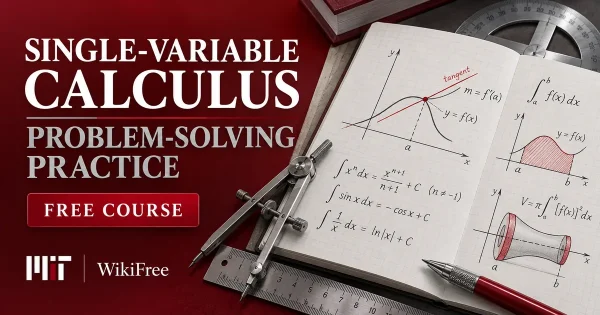
Practice single-variable calculus through worked recitation problems. The videos focus on techniques and applications involving differentials, integration and series, complementing a full lecture course.
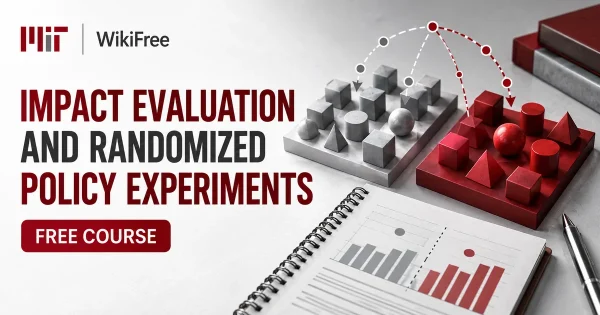
Explore how randomized evaluations can inform development policy. The executive-training recordings introduce the reasoning used to compare outcomes and assess the effects of interventions.
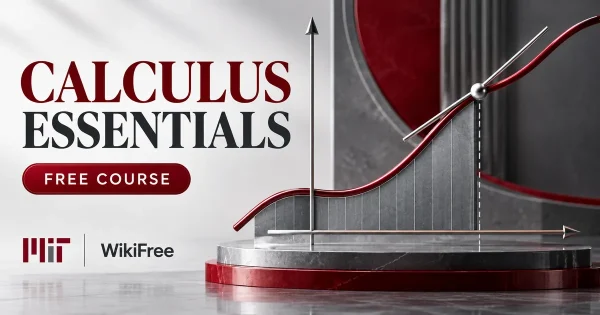
Build a concise conceptual introduction to calculus through derivatives, integrals and important function families. Short explanations highlight the connections among rates of change, graphs and accumulation.
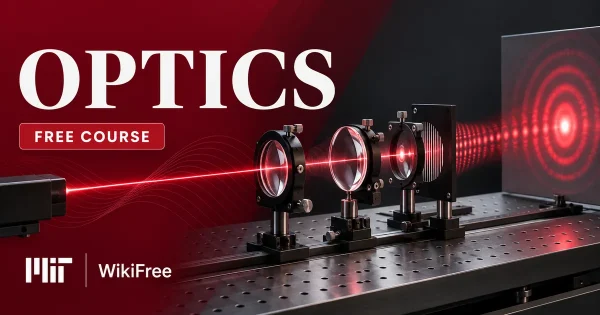
Study optics through the propagation, interference and diffraction of light. The recordings connect wave models with imaging systems and examples from photonic structures.
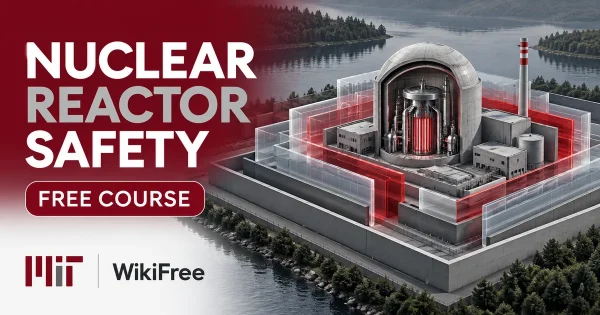
Examine nuclear-reactor safety as an academic engineering subject. The archived lectures introduce analytical concepts and system-level reasoning; they do not provide operator authorization or practical reactor training.
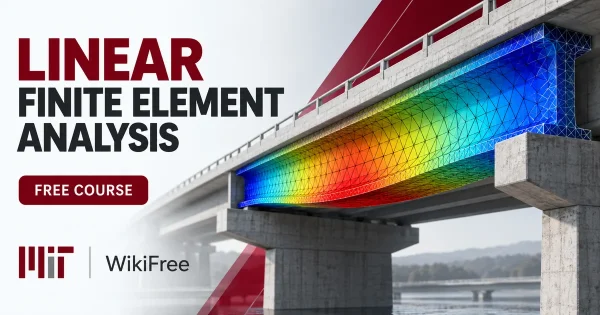
Develop the foundations of linear finite-element analysis for solids and structures. The lectures connect mathematical formulation with the numerical representation of engineering behavior.
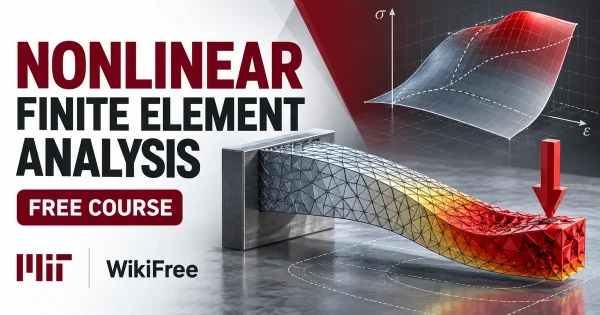
Study nonlinear finite-element methods for solids and structures. The lecture sequence develops an advanced computational framework for problems that extend beyond simple linear assumptions.
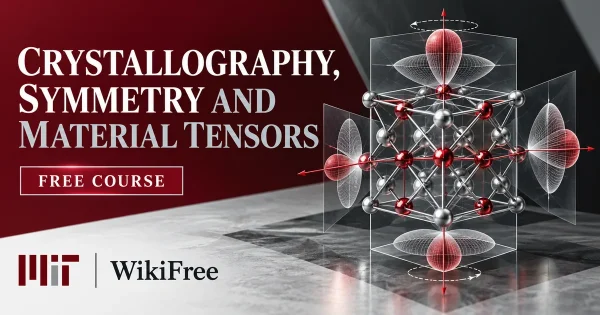
Explore how symmetry and structure constrain material behavior. MIT lectures connect crystallographic descriptions with tensor properties and the mathematical representation of physical responses.
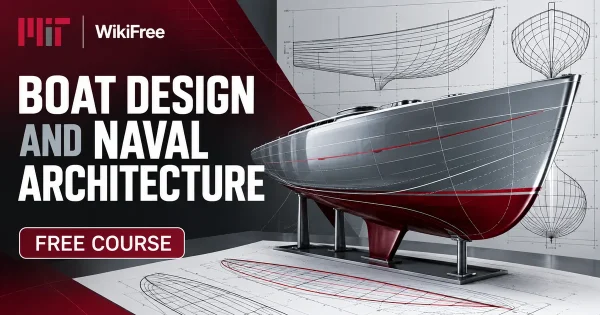
Study boat design through the principles of naval architecture. The recordings provide an engineering perspective on describing and evaluating vessels, with an emphasis on conceptual study.
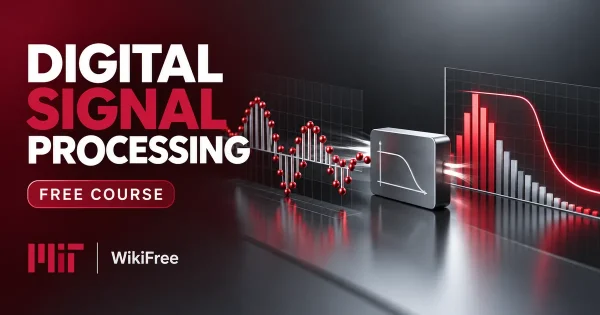
Explore digital signal processing through MIT's lecture sequence. The course develops mathematical ways to represent, transform and analyze discrete signals and the systems that process them.
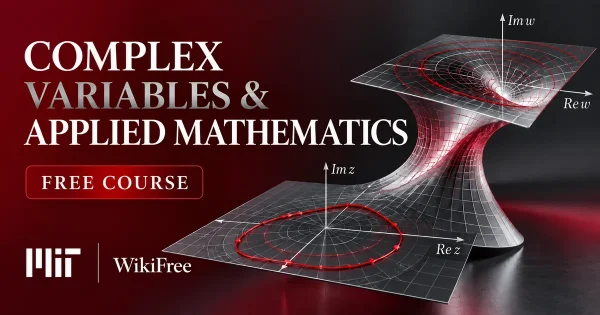
Review complex variables together with differential equations and linear algebra. This multi-part lecture collection connects several mathematical tools used in science and engineering.
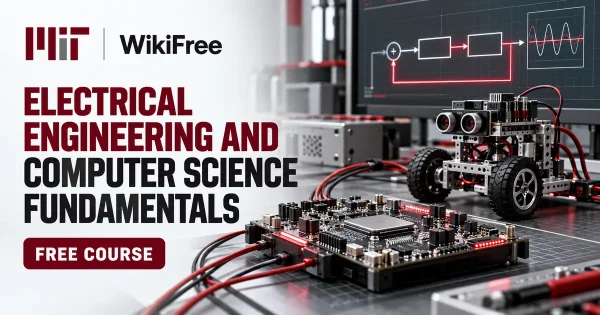
Connect introductory electrical engineering and computer science through models, computation and physical systems. Lectures and recitations provide a foundation for reasoning across software and electronics.