The Coursya library
Law & Governance Courses
Explore free study options. Check the provider, prerequisites, and certificate details before you begin.
Course results
52 courses
Chris du Toit Free
Chris du Toit explains copyright through questions that arise when people create websites, articles and other original work. The course begins by separating copyright from patents and…
The Michelson Institute for Intellectual Property Free
An invention, a written explanation and a brand name raise different protection questions. The Michelson Institute for Intellectual Property brings these distinctions together in a broad introduction…
Bina Nusantara University; Sugiharto Bangsawan; Dr. Maria Grace Herlina Free
Governance asks who directs and oversees an organization, while management deals with running its activities. Bina Nusantara University, Sugiharto Bangsawan and Dr. Maria Grace Herlina introduce this…
Julia Mariasova Free
Julia Mariasova hosts a discussion with Jawwad Rasheed about the work behind environmental, social and governance reporting. The course introduces ESG and its business context, then examines…
HPBS BV Free
HPBS BV moves from introductory climate and carbon-footprint concepts into the calculation of direct organizational emissions. The practical section identifies Scope 1 sources and connects activity data…
Guthrie Weinschenk Free
Workplace choices can affect people in ways that a simple performance measure misses. Guthrie Weinschenk introduces applied ethics through organizational behavior, decision-making examples and the influence that…
Prof Robert Ebo Hinson Free
A company’s responsibilities extend across customers, employees, communities and the environment, but those groups do not always want the same thing. Prof Robert Ebo Hinson’s course introduces…
Goldman Sachs Free
A company’s stated purpose matters only if it connects with what the business does.
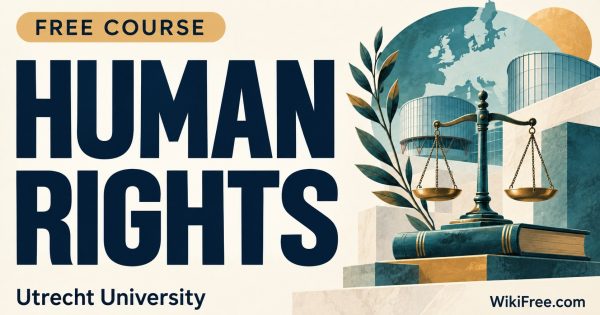
Utrecht University Free
Human rights become easier to examine when the institutions that interpret them are visible.
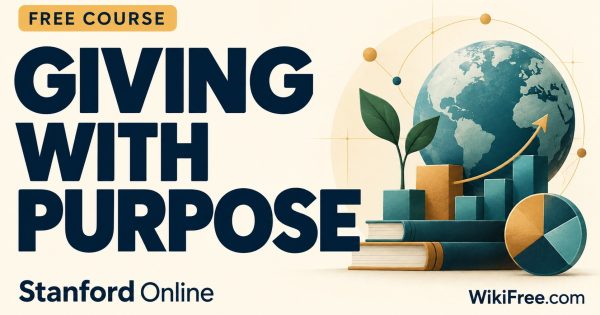
Stanford Online Free
Giving can involve time, skills and relationships as well as money. Stanford’s Giving 2.0 examines how a person can make those contributions more deliberate and meaningful.
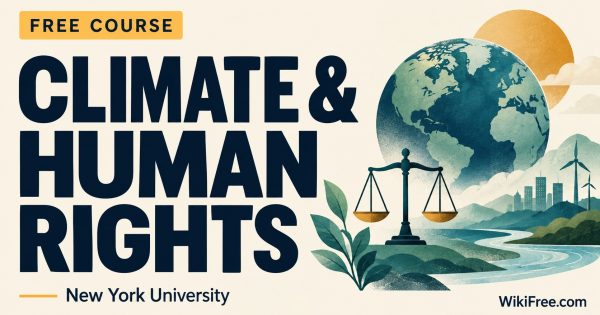
New York University Free
Climate debates increasingly include questions about rights and legal responsibility.
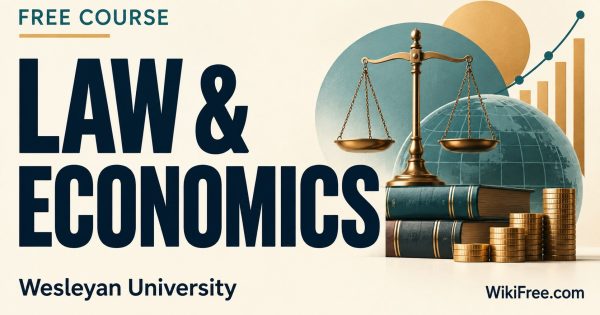
Wesleyan University Free
Property disputes can be examined as questions about rights, incentives and the allocation of resources.