How to Plan a Sprint and Define Its Goal
Plan a Sprint around a useful goal with a pickup-booking case, a worked capacity example, selected work, quality and adaptation decisions.
Free PDF · 19 pagesView ebook
Original templates and learning resources. Choose a download type, then find a subject within it.
Explore the Free Templates and Free eBooks collections.
114 downloads
Plan a Sprint around a useful goal with a pickup-booking case, a worked capacity example, selected work, quality and adaptation decisions.
Prioritise work with MoSCoW and RICE using a service-app example, complete score calculations, sensitivity analysis and practical decision checks.
Write user stories and acceptance criteria with a complete class-cancellation example, Given-When-Then scenarios, exceptions, story splitting and quality checks.
Build a practical Kanban board with explicit workflow boundaries, policies, WIP control, a worked board snapshot and basic flow metrics.
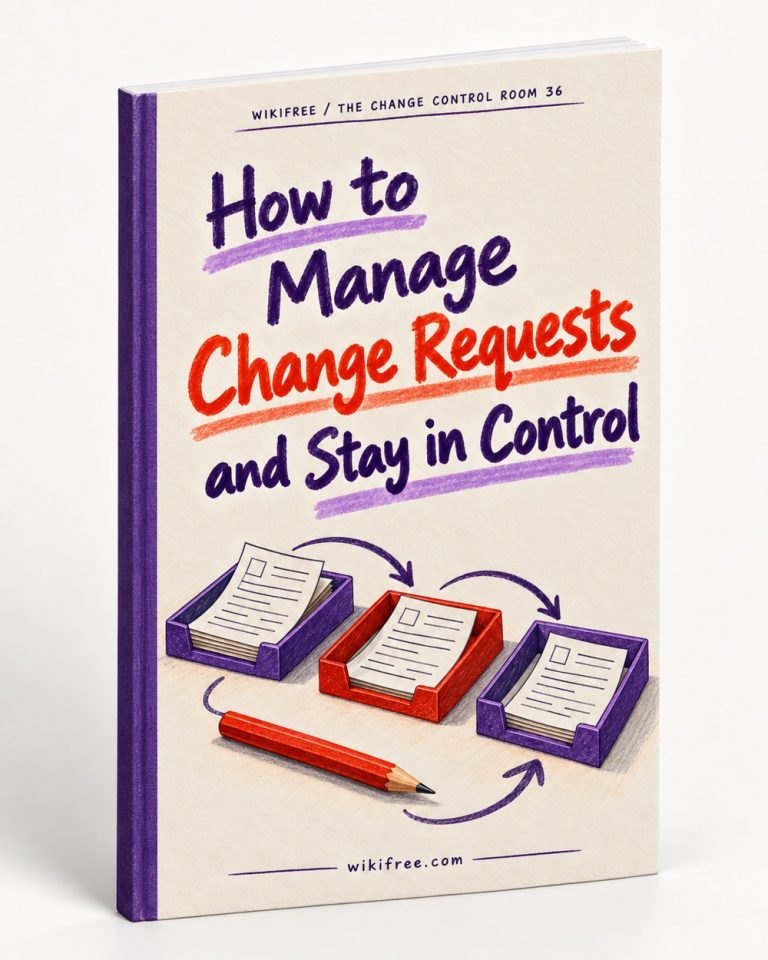
Manage a change request from its underlying need through impact analysis, authorisation, implementation and closure, with a worked onboarding-workflow example.
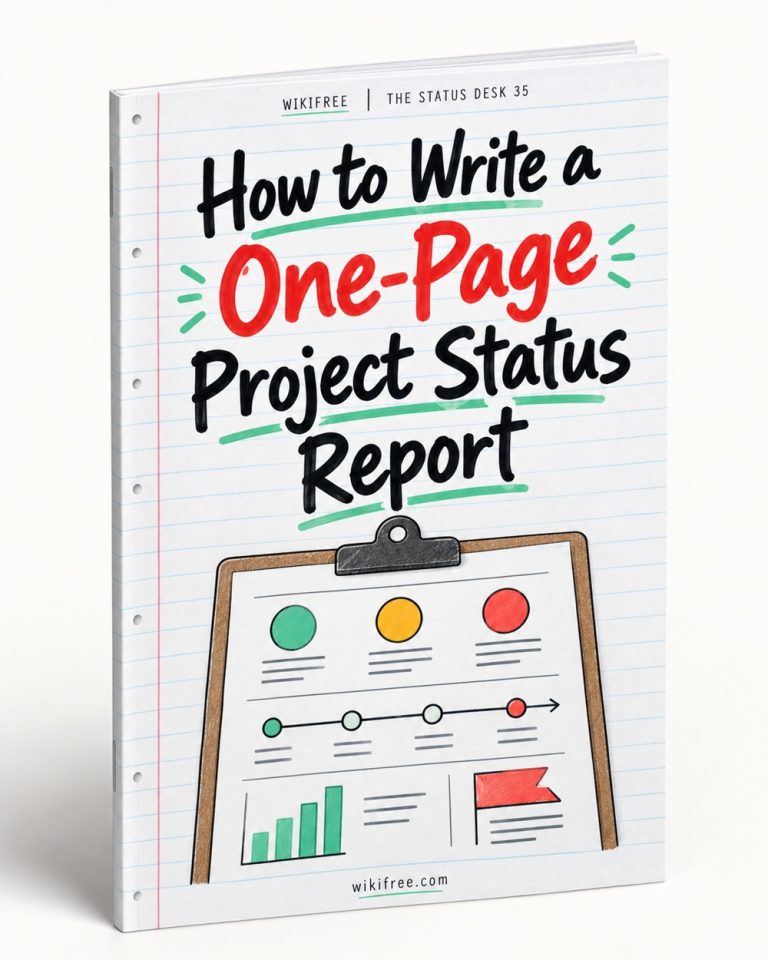
Write a one-page project status report with an illustrated relocation case, reconciled costs, schedule forecasts, clear status criteria and a filled example.
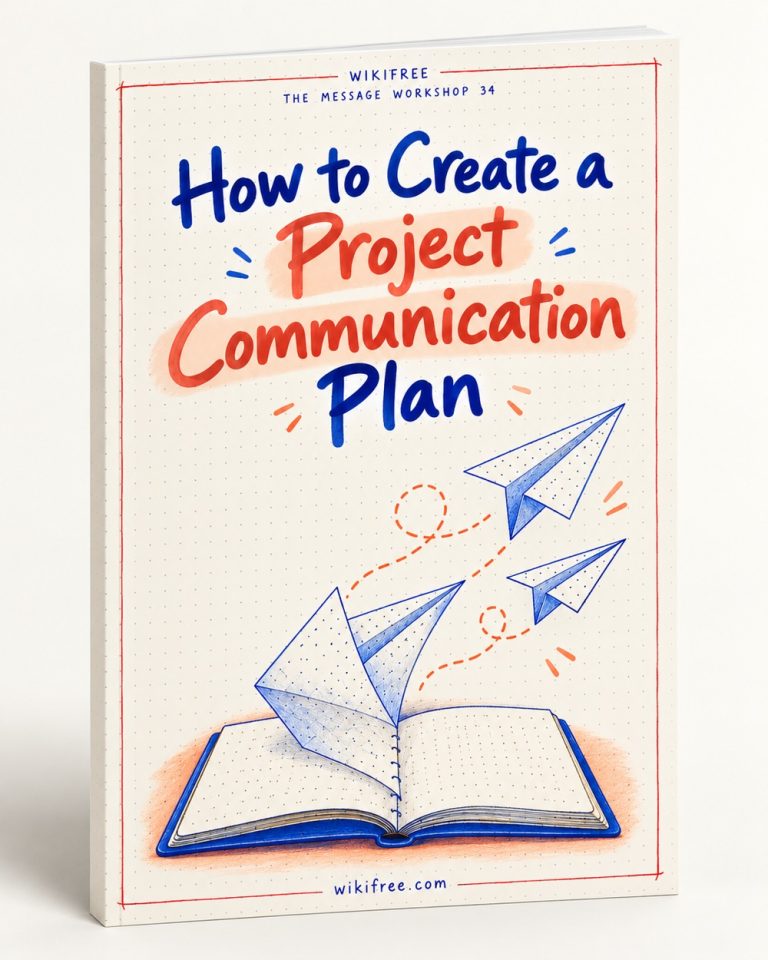
Create a project communication plan through a multi-depot rollout, with audience needs, decision messages, channels, triggers, ownership and a worked plan.
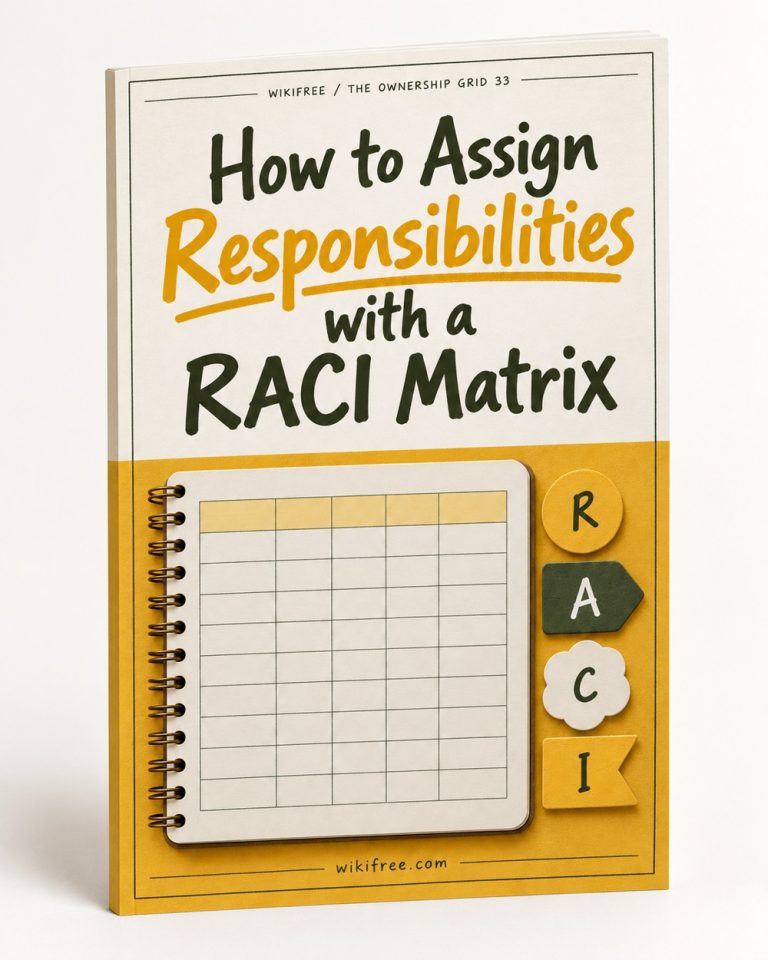
Build and use a RACI matrix through a service-desk launch, with clear role meanings, a worked matrix, authority checks and acceptance handoffs.
Analyse stakeholders and build an engagement plan using an expense-service case, with needs, influence, accessible interactions and a worked plan.
Create a practical risk register with clear statements, rating conventions, owners, triggers, residual exposure and three worked portal-rollout entries.
Build a project budget with worked labour and purchase costs, reserve conventions, time phasing, commitments, approvals and an updated final-cost forecast.
Calculate a six-activity critical path from start to finish, with early and late dates, total and free float, changed durations and resource-constrained scenarios.
May we use Google Analytics to understand visits and improve our free learning resources? Analytics stays off until you choose Allow. You can change your choice at any time. Privacy details