The Coursya library
Free Online Courses
Explore free study options. Check the provider, prerequisites, and certificate details before you begin.
Course results
5264 courses
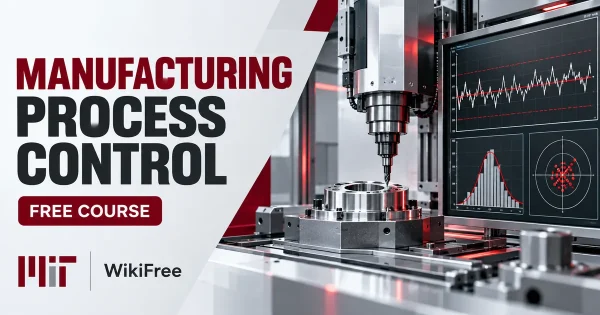
Explore the control of manufacturing processes through an advanced engineering lecture sequence. The course connects process behavior, variation and feedback with questions about consistent production.
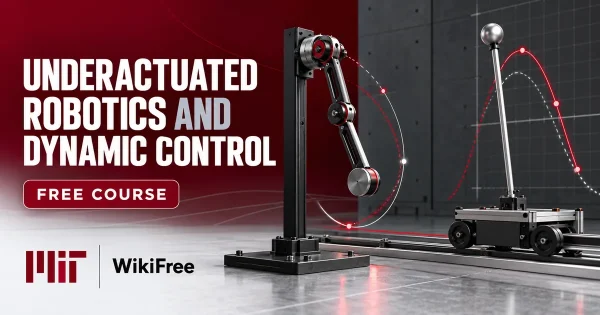
Study control for robots with fewer actuators than mechanical degrees of freedom. The lectures connect nonlinear dynamics with strategies for reasoning about motion and feedback.
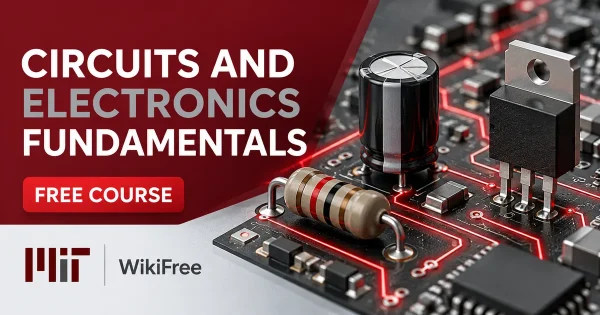
Develop circuit and electronics fundamentals through MIT lectures. The course connects component models with the analysis of electrical networks and the behavior of basic electronic systems.
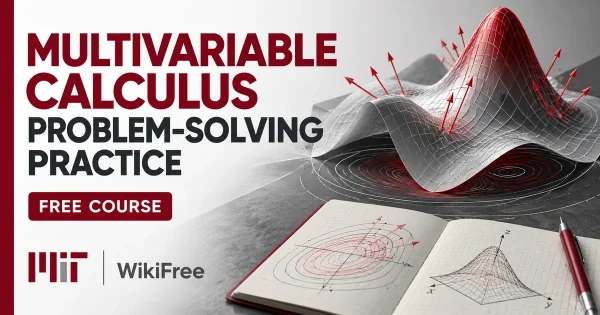
Practice multivariable calculus through MIT's worked-problem videos. The collection supports revision of vectors, partial derivatives and integration in several variables alongside a lecture-based course.
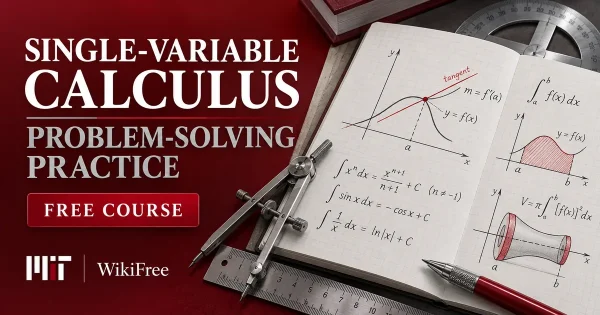
Practice single-variable calculus through worked recitation problems. The videos focus on techniques and applications involving differentials, integration and series, complementing a full lecture course.
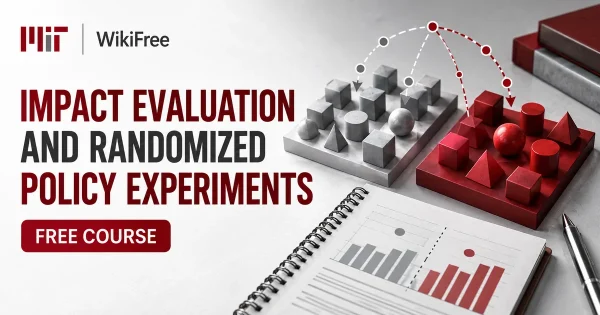
Explore how randomized evaluations can inform development policy. The executive-training recordings introduce the reasoning used to compare outcomes and assess the effects of interventions.
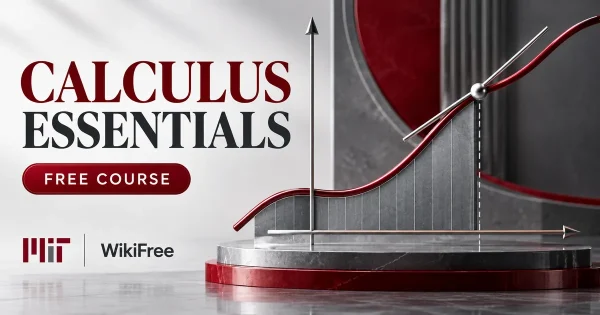
Build a concise conceptual introduction to calculus through derivatives, integrals and important function families. Short explanations highlight the connections among rates of change, graphs and accumulation.
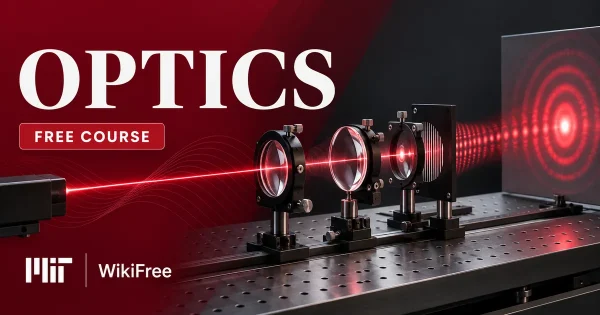
Study optics through the propagation, interference and diffraction of light. The recordings connect wave models with imaging systems and examples from photonic structures.
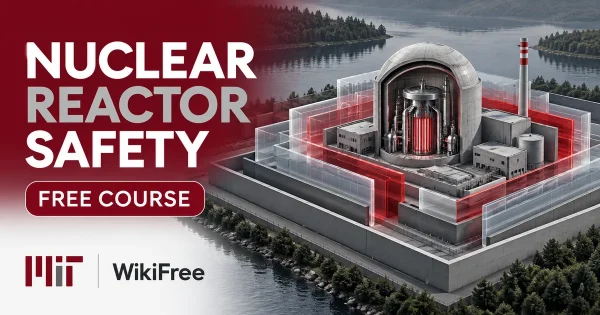
Examine nuclear-reactor safety as an academic engineering subject. The archived lectures introduce analytical concepts and system-level reasoning; they do not provide operator authorization or practical reactor training.
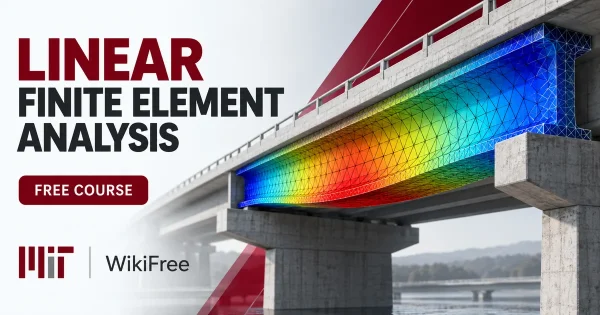
Develop the foundations of linear finite-element analysis for solids and structures. The lectures connect mathematical formulation with the numerical representation of engineering behavior.
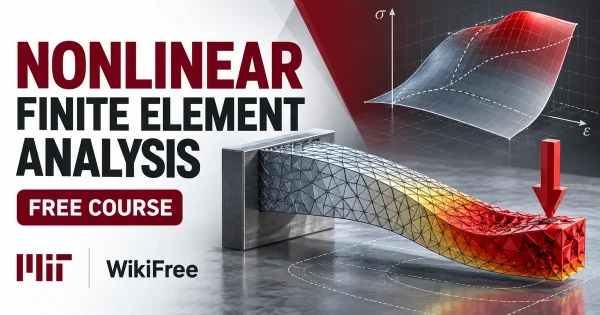
Study nonlinear finite-element methods for solids and structures. The lecture sequence develops an advanced computational framework for problems that extend beyond simple linear assumptions.
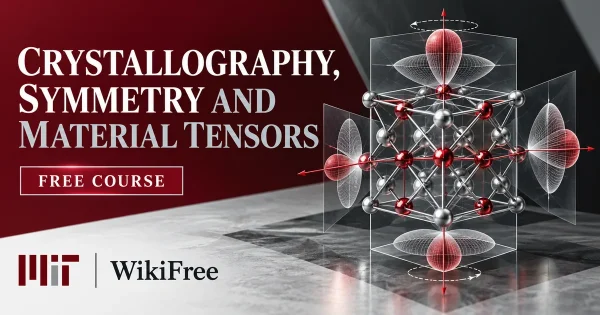
Explore how symmetry and structure constrain material behavior. MIT lectures connect crystallographic descriptions with tensor properties and the mathematical representation of physical responses.