The Coursya library
Free Online Courses
Explore free study options. Check the provider, prerequisites, and certificate details before you begin.
Course results
5264 courses
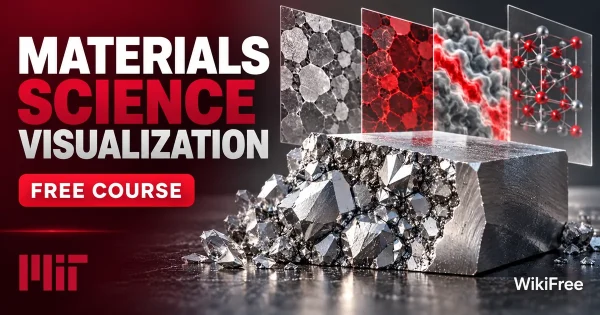
Explore materials-science concepts through student-created visualizations and computational demonstrations. Examples include diffraction, quantum evolution, Brillouin zones and stress representations; this is a case-study collection.
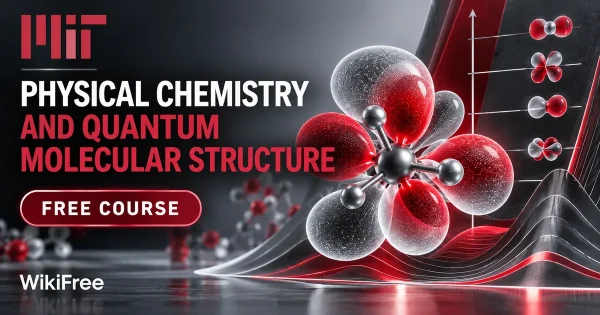
Connect quantum mechanics with molecular structure and spectroscopy. The lectures develop wave-mechanical ideas and the use of light and electronic-structure models to investigate molecules.
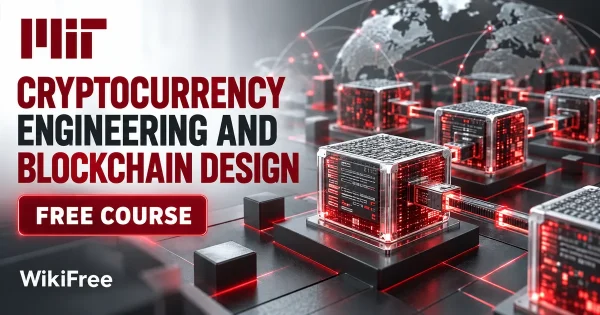
Study the engineering foundations of cryptocurrencies through signatures, hashes, wallets, transactions and privacy mechanisms. The lectures focus on protocol design and technical trade-offs, not investment selection.
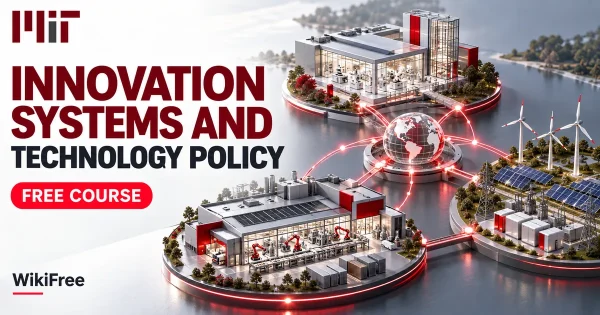
Investigate how innovation depends on organizations, policy and economic conditions. The course examines growth, manufacturing, collaboration and energy-technology transitions through a systems perspective.
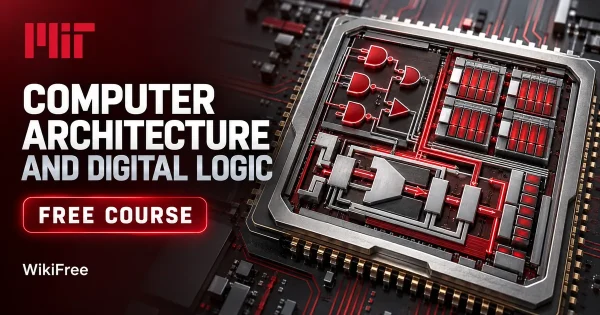
Follow the construction of a computer from information and electronic devices to logic and programmable datapaths. Short lessons connect hardware components with the behavior of computational systems.
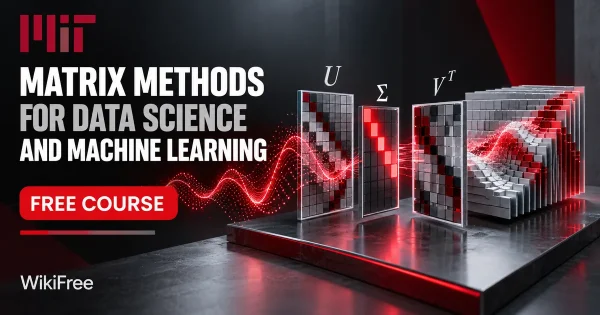
Study matrix techniques that support data science and machine learning. The lectures connect norms, singular values, low-rank structure and neural networks with practical mathematical reasoning.
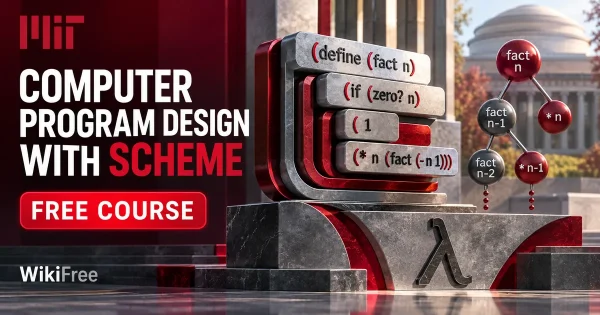
Explore the design of computer programs using Scheme and Lisp ideas. The lecture sequence develops abstraction, interpreters, streams and ways to manage computational complexity; repeated uploads are…
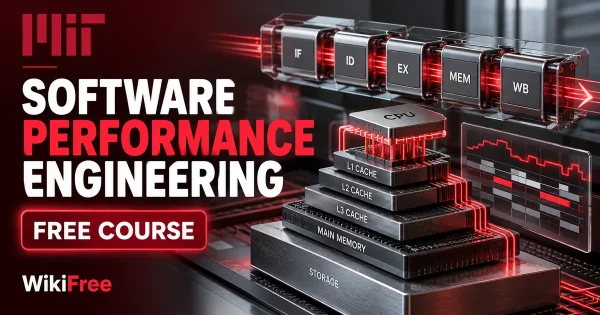
Learn to reason about software performance across algorithms, memory and parallel execution. MIT lectures examine matrix operations, multicore programming, allocation and the challenges of nondeterministic computation.
Trace the origin of chemical elements through cosmic evolution and stellar processes. The short episodes connect observations of stars with the physical mechanisms that build matter.
Explore radiation and nuclear-engineering concepts through historical discoveries, radioactive decay, interactions and reactor examples. The recordings provide academic background rather than operational training.
Develop a systematic understanding of linear algebra through systems of equations, vector spaces, orthogonality and eigenvalues. Lectures and supporting videos connect matrix calculations with geometric meaning.
Understand blockchain in the wider context of money and banking. The lectures examine smart contracts, decentralized applications, economic incentives and the institutions involved in financial systems.