Free Blender Object Modeling Course: Shape a Visor and Explore Its Surface
A small object can teach you a surprising amount about a 3D workflow. You have to judge its outline, decide which parts belong together, and discover how changes to…
Learning platform
Courses and practical learning
Explore Udemy courses and learning resources listed on Coursya. Search the complete catalogue, compare subjects and levels, and follow new additions.
See matching new resources in your interests feed.
Choose your next step
Showing 145–168 of 2,010 listings.

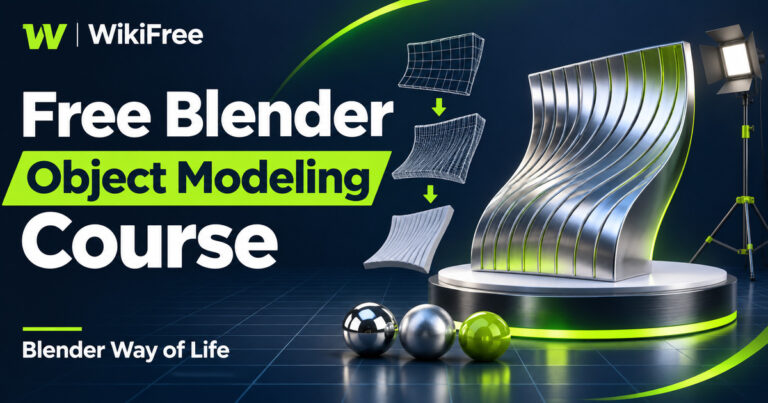
A small object can teach you a surprising amount about a 3D workflow. You have to judge its outline, decide which parts belong together, and discover how changes to…

Knowing a shortcut is useful; recognizing when to use it is what makes modeling less mysterious. Shaishav Vashi's Blender introduction approaches that problem through varied examples. Instead of concentrating…

A simple animated scene brings several skills together: an object needs a shape, materials need light, and movement needs a camera that can see it. Thomas McDonald's introductory Blender…

A small collection of geometric objects can teach several different parts of a 3D workflow without the distraction of a complicated character or environment. Blender: Fundamentals crash course, presented…

Writing an Arduino sketch is only one part of getting it onto a board. You also need to find the right project, select the hardware, compile the code and…

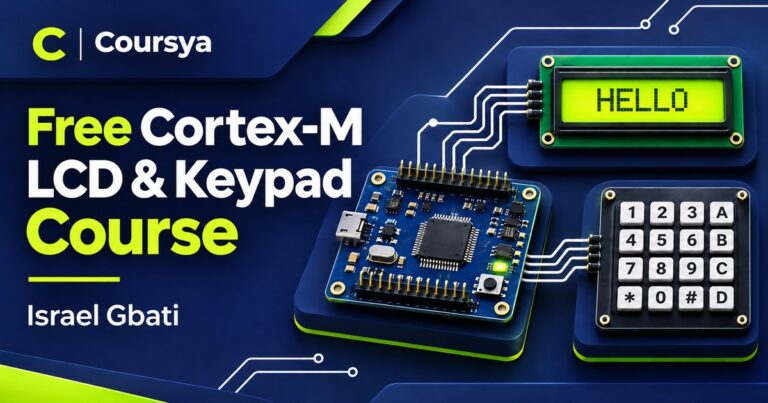
A character display and a small keypad make an embedded project feel much more tangible: a key press becomes an input that your program can interpret, and a line…

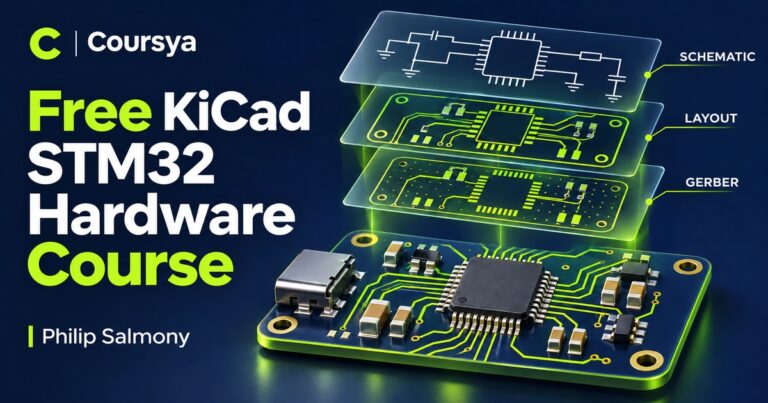
A microcontroller board brings several design decisions together: power, reset behavior, clock circuitry, connectors, and the physical arrangement of components. Philip Salmony's free KiCad course follows an STM32 hardware…

A blinking LED can make an unfamiliar hardware workflow easier to understand. It gives you a small design with an observable result, while still requiring source code, device settings,…

Learning a hardware description language involves more than entering code into an editor. You need to understand what a design describes, which tool processes it, and what evidence a…

Small sequential circuits offer a practical bridge between logic fundamentals and larger digital systems. A counter remembers progress, a shift register preserves recent inputs, and a state machine records…

Writing a module is only part of learning digital design. You also need a way to supply inputs, decide what the outputs should be, and notice when the implementation…

A short hardware description can hide several important decisions: how wide a value is, whether it is signed, which input takes priority, and what an output does when no…

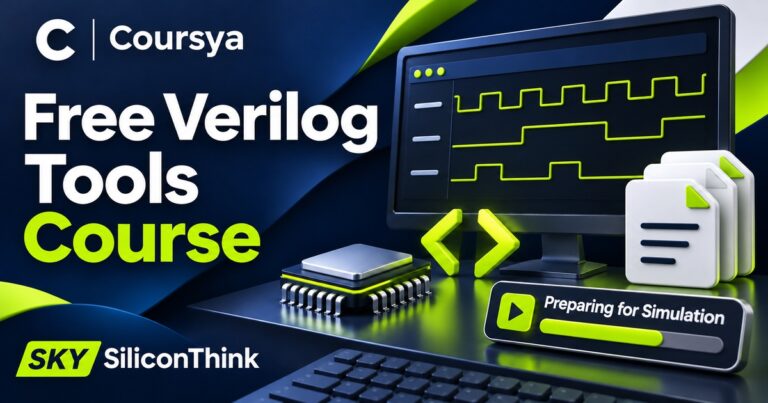
A few lines of hardware description can be difficult to understand until you connect them with a circuit and its changing signals. This free Verilog course offers a focused…

A Raspberry Pi can become a meeting point between everyday software and small electronics projects. A script can organize files, a button can trigger an event, and a desktop…

A digital model is only the beginning of a successful print. Orientation, slicing, material choice and the condition of the machine all influence what emerges from the print bed.…

An LED is a useful starting point, but a small electronics project becomes more interesting when it can read an input, make a decision and remember information. This free…

A circuit calculation becomes more informative when you can compare its assumptions with a simulation. This free LTspice course introduces that process through schematic editing, analysis settings and waveform…

A small embedded application becomes more manageable when its timing, sensing and movement code have clear boundaries. This free ARM Cortex-M course uses robot-related modules to introduce that way…

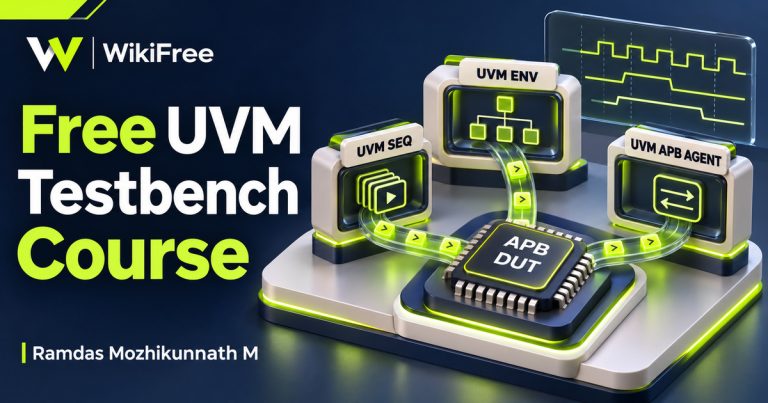
A testbench becomes easier to understand when each component has a clear responsibility. One part describes the transactions you want to generate, another drives an interface, and another observes…

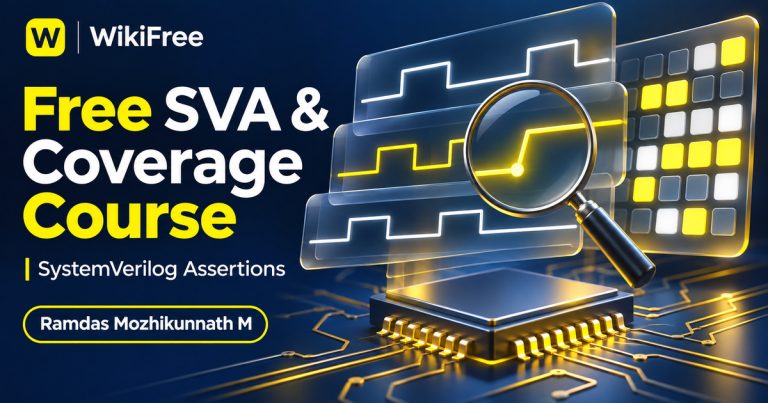
A simulation can produce plenty of activity while leaving important questions unanswered. Did the design obey a required timing relationship? Did the scenarios you intended to exercise actually occur?…

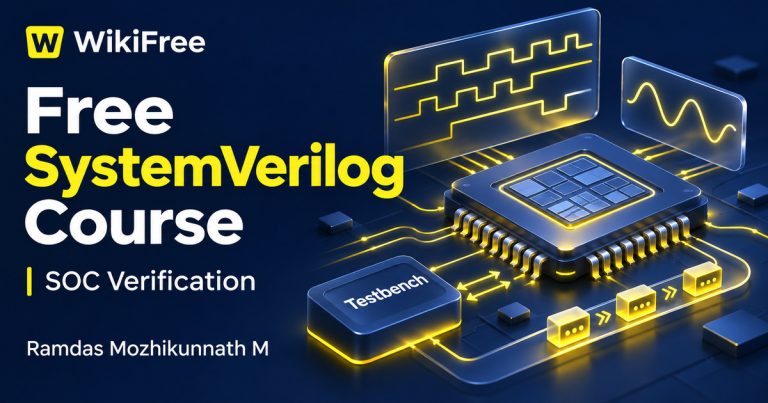
A digital design needs more than an interesting idea and a set of signals. Engineers also need a way to ask whether its behavior matches the intended specification. This…

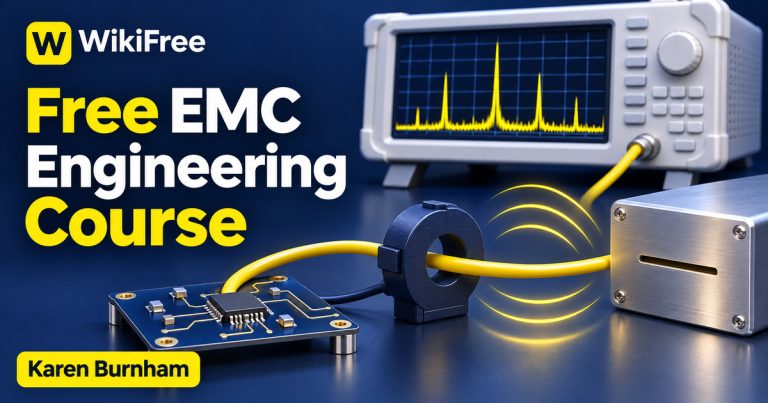
Hardware can behave correctly on a workbench and still interact poorly with nearby electronics. Electromagnetic compatibility, or EMC, asks designers to consider those interactions as part of the product…

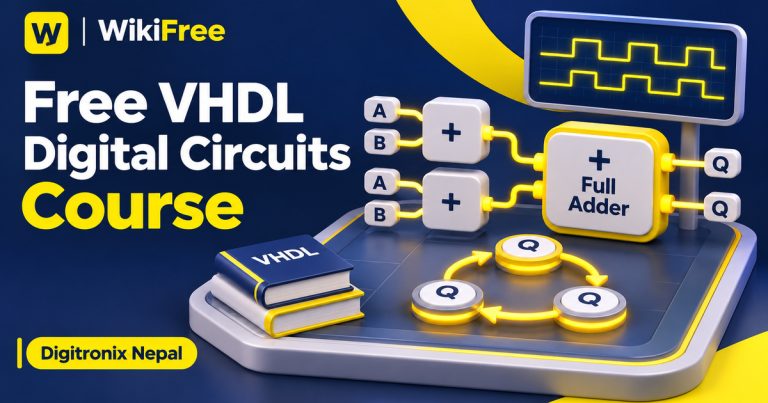
An adder, a register and a state machine solve different kinds of digital-design problems. Learning how to describe each one makes VHDL more useful than memorizing a collection of…

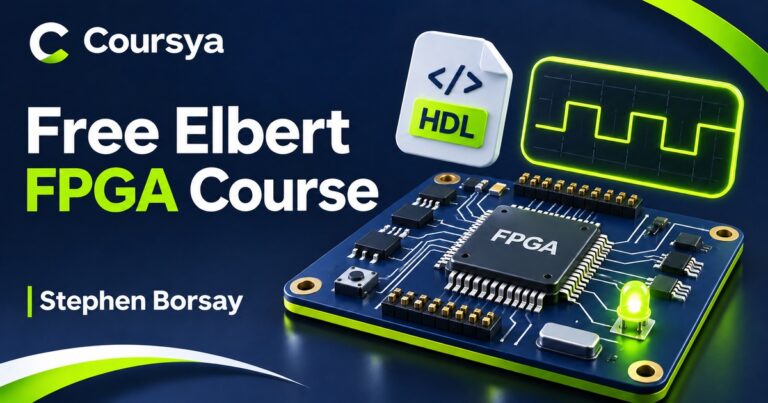
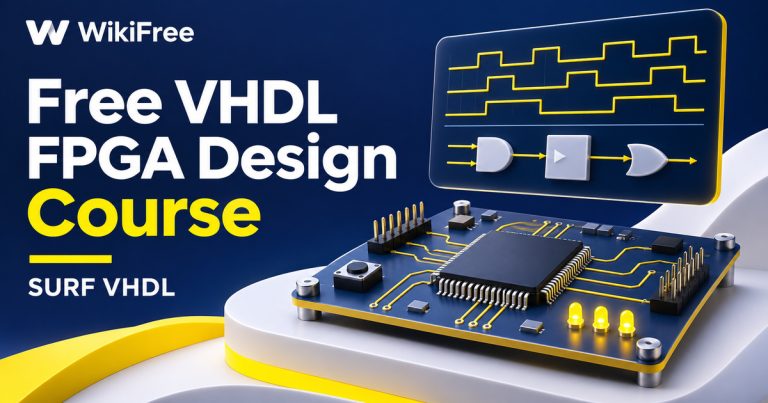
Writing a hardware description is one part of an FPGA project. You also need to decide what the circuit should do, test that behavior in simulation, connect the design…
This page brings together the published, available listings assigned to Udemy on Coursya. New listings appear automatically. Counts refer to our current library; the provider may offer additional courses elsewhere.
Read each course page for prerequisites, study time, learning access and recognition. Free learning does not always include a free certificate, exam, software or hosted lab. Listings marked unavailable or awaiting review are excluded.
Choose whether to allow Google Analytics to measure visits, or also Meta to measure how our Facebook and Instagram ads lead to content views and purchases. Optional tracking stays off until you allow it. You can change your choice at any time. Privacy details